 800-857-5941
 Who Answers?
6 Questions to Ask About Sober Housing
According to the National Institute on Drug Abuse, sober housing a possibility for those who need to transition between inpatient or intensive treatment and normal society. A sober house is a way to reenter society without exposing yourself to your triggers right away. If you are considering entering a sober house there are some questions you should ask before signing a contract with them.
1. What are the Rules in Sober Housing?
Before you decide on a sober house, it is important to know what the rules of the house are and whether you can abide by them. Some sober houses have very specific rules about when and how you can leave as well as what you can do while you are there. It is important to know whether the rules are contradictory to what you want to accomplish with your aftercare.
2. Is Sober Housing Right for My Addiction?
Different addictions and treatment courses have different philosophies. Some believe in immersion in community while others believe in isolation. The treatment course that you are on determines whether or not sober housing is right for you. Some people do very well in a sober living environment while others find the restrictions impede their overall goals.
3. How Long Do you Live in Sober Housing?
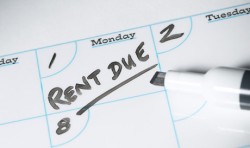
Some sober houses charge rent, while others are funded through alternative means.
How long you live in sober housing depends on the house and your goals. Some sober living residences are graduated in that you start out in a dormitory setting and gradually move to a more relaxed living arrangement while others remain the same level of security until you are discharged from the program. Sober living programs can last from months to years depending on the needs of the individual.
4. Do they do Criminal Background Checks when Someone Enters Sober Housing?
Some sober living residences require background checks while others do not. There are sober living houses that also act as halfway houses from criminal rehabilitation. If you do not want to be around a criminal element then it is important to find a sober living residence that better suits your safety requirements. There are sober living houses that are simply for addiction recovery while others are for both addiction recovery and transitioning criminals back into society.
5. Do you Pay Rent in Sober Housing?
In some sober living situations, you have to pay rent and others are provided for free by the state and local governments. If you have a job most sober houses require a graduated fee for staying there. Usually this fee is not as much as renting a typical apartment or sharing a residence with others as roommates. This fee usually goes to the maintenance and staff of the facility. The upkeep and staffing of a sober house is expensive and this cost is often offset by the rent that the residents pay.
Questions you Should Ask a Sober House before Deciding on One
6. How Can You Find Sober Housing?
You can find sober housing in many areas. To find the right sober living situation for you, all you have to do is call 800-953-3913 (Who Answers?). We can help you find the right sober house for your needs.
 What is a Sober House? -
For those suffering from substance abuse or alcoholism, finding the tools they need to make a proper recovery can feel almost impossible. Substance abusers and alcoholics are often surrounded by those still using the harmful substances as well an environment that is filled with these harmful substances. They are bombarded with tough decisions that come ...
What is a Sober House? -
For those suffering from substance abuse or alcoholism, finding the tools they need to make a proper recovery can feel almost impossible. Substance abusers and alcoholics are often surrounded by those still using the harmful substances as well an environment that is filled with these harmful substances. They are bombarded with tough decisions that come ...  What are the General House Rules of a Sober Living Home? -
Many of the rules at sober living homes are the same, but different houses can implement additional regulations.
What are the General House Rules of a Sober Living Home? -
Many of the rules at sober living homes are the same, but different houses can implement additional regulations.  Look for these 5 Qualities of a Good Recovery Home -
With lots of recovery homes out there, you'll want to make sure you choose a good one. Look for programs that care for their residents, encourage group activities, and encourage any further treatment work you may need.
Look for these 5 Qualities of a Good Recovery Home -
With lots of recovery homes out there, you'll want to make sure you choose a good one. Look for programs that care for their residents, encourage group activities, and encourage any further treatment work you may need.  Who Pays For Sober Living? -
Sober homes are not free places to live. Each sober house has different rules, but people typically pay rent, pay for food, utilities, and other costs of living.
Who Pays For Sober Living? -
Sober homes are not free places to live. Each sober house has different rules, but people typically pay rent, pay for food, utilities, and other costs of living.