 800-857-5941
 Who Answers?
Sober Living House
If you are looking for a place that will help you adjust to the real world pressures of every day life and provide a support system for your moments of weakness, a sober living house is the ideal option. People who suffer from substance abuse and alcoholism often find that the hardest part of treatment isn’t the treatment process: it’s trying to reintegrate with every day life and its stresses. Sober living houses provide a place where those who have either completed an inpatient facility program or are on their last stages of recovery to re-adjust without being overwhelmed.
What Does a Sober Living House Provide?
A sober living house is a facility that is often privately owned and operated by a small group or an individual. Most sober houses don’t receive government grants and are not registered as non profit organizations. These houses are run with strict rules and often have inspections, which is how they stay maintained and functional.
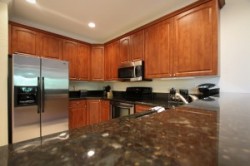 Sober living homes provide a place for those recovering from substance abuse to stay when they are on the last steps of their recovery process. Typically, most residents come from inpatient programs or from rehabilitation centers although some residents come without any prior recovery programs. Residents are expected to pay rent and have a bed to sleep in but they must share their room with a minimum of at least one other resident. Some sober living houses have so many residents that a resident might share their room with ten other people or more.
What Can I Expect at a Sober Living House?
Sober living houses range in both price and services. The more you pay the more services you will get. For example, a sober living house that has a low rent will typically have residents who share their rooms with several other residents and will not have any type of specialized services. Sober living homes for those who are willing to pay triple digits can expect to find professional chefs and personal life trainers; however, the residents will still have to share a room with another resident.
All sober living homes require their residents to pay rent; however, if a resident should break important house rules or be late on rent, they can be evicted that same day. Sober living homes are not rental facilities so there is no rental contract in place. Most sober living homes require their residents to complete daily chores as well as maintain a steady day job. Should the person be disabled, they will be expected to participate in a community activity.
No matter what sober living house you decide to live in, you will be expected to abide by the no tolerance policies regarding drugs and alcohol. If any drugs are found during a blood test or on your person, you will be evicted from the house.
Why Should I Consider Sober Living Houses?
Sober living houses can be found in all areas of the country for all types of incomes. If you are looking for a place that will help you adjust to every day life while helping you learn ways to stay sober, sober living houses can help.
 What is a Sober House? -
Sober living is meant to help people make the transition after a rehab program back into everyday life, free from drugs and alcohol.
What is a Sober House? -
Sober living is meant to help people make the transition after a rehab program back into everyday life, free from drugs and alcohol.  Alternatives to Sober Housing After Rehab -
A sober living house is a place where people live with others in recovery after they have completed a drug or alcohol treatment program. It is not mandatory after rehab, and it is not the only option.
Alternatives to Sober Housing After Rehab -
A sober living house is a place where people live with others in recovery after they have completed a drug or alcohol treatment program. It is not mandatory after rehab, and it is not the only option.  Is a Sober House Right for You? -
A sober house is an ideal transition for those coming out of inpatient care who require further assistance in remaining drug free.
Is a Sober House Right for You? -
A sober house is an ideal transition for those coming out of inpatient care who require further assistance in remaining drug free.  15 Unfortunate Misconceptions about Sober House Living -
Many of us have the wrong idea about sober living programs, which can make people avoid this treatment option.
15 Unfortunate Misconceptions about Sober House Living -
Many of us have the wrong idea about sober living programs, which can make people avoid this treatment option.  Is a Halfway House a Sober Living House? -
Though similar, a halfway home and sober home are not one and the same. Halfway homes are government funded and often government-mandated, which is not the case for sober living.
Is a Halfway House a Sober Living House? -
Though similar, a halfway home and sober home are not one and the same. Halfway homes are government funded and often government-mandated, which is not the case for sober living.